
Whether you’re buying, selling, refinancing, or investing, the home appraisal is one of the most important steps in the real estate process. It determines the market value of a property, influences loan approval, and can even impact negotiations.
But for many buyers and sellers — especially first timers — the appraisal process feels confusing or intimidating. What exactly does an appraiser look for? How is value determined? What happens if the appraisal comes in low?
This guide breaks down everything you need to know about home appraisals in Texas, with clear explanations, real world examples, and insights tailored to the San Antonio market.
What Is a Home Appraisal?
A home appraisal is a professional, unbiased estimate of a property’s market value. Lenders require appraisals to ensure the home is worth the amount being financed.
Key points:
• Conducted by a licensed appraiser
• Required for most mortgage loans
• Protects both the buyer and the lender
• Based on data, condition, and comparable sales
The appraisal ensures the lender isn’t financing more than the home is worth — and that the buyer isn’t overpaying.
Why Appraisals Matter?
Appraisals play a major role in:
• Loan approval
• Interest rates
• Down payment requirements
• Negotiations
• Refinancing
• Property taxes (in some cases)
For buyers, a strong appraisal provides peace of mind. For sellers, it validates pricing. For lenders, it reduces risk.
When Is a Home Appraisal Required?
Appraisals are typically required for:
• Conventional loans
• FHA loans
• VA loans
• USDA loans
• Refinances
Exceptions:
• Some cash purchases
• Certain appraisal waivers (rare and lender specific)
In most financed transactions, an appraisal is non negotiable.
How Much Does a Home Appraisal Cost?
In Texas, appraisal fees typically range from:
• $500–$800 for standard homes
• $800–$1,500+ for large, rural, or complex properties
Buyers usually pay this fee as part of their loan costs.
Who Orders the Appraisal?
The lender orders the appraisal — not the buyer, seller, or agent.
This ensures:
• Neutrality
• Compliance
• No conflict of interest
The appraiser is assigned through a third party appraisal management company (AMC).
What Does an Appraiser Look For?
Appraisers evaluate the home’s condition, features, and market data to determine value.
Here’s what they focus on:
1. Location
Location is one of the biggest factors in value.
Appraisers consider:
• Neighborhood desirability
• School district
• Proximity to amenities
• Traffic and noise
• Surrounding property values
In San Antonio, areas like Stone Oak, Alamo Ranch, Helotes, and Boerne often command higher values due to strong schools and community amenities.
2. Size and Layout
Appraisers measure:
• Square footage
• Number of bedrooms and bathrooms
• Floor plan functionality
• Ceiling height
• Storage space
Not all square footage is valued equally — usable, well designed space matters.
3. Condition of the Home
Appraisers evaluate:
• Age of the home
• Structural integrity
• Roof condition
• HVAC, plumbing, and electrical systems
• Flooring and finishes
• Signs of damage or neglect
A well maintained home typically appraises higher.
4. Upgrades and Improvements
Not all upgrades add equal value.
High value upgrades include:
• Kitchen remodels
• Bathroom remodels
• Flooring upgrades
• Energy efficient systems
• Outdoor living spaces
Low value upgrades include:
• Luxury fixtures
• High end appliances
• Custom décor
Appraisers focus on improvements that increase market value, not personal preference.
5. Comparable Sales (“Comps”)
Comps are recent sales of similar homes in the area.
Appraisers look for:
• Similar size
• Similar age
• Similar condition
• Same neighborhood or school district
• Sales within the last 3–6 months
Comps are the backbone of the appraisal.
How Appraisers Determine Value?
Appraisers use three main approaches:
1. Sales Comparison Approach (Most Common)
Compares the home to recent sales and adjusts for differences.
Example:
• If your home has a pool and a comp doesn’t, the appraiser adds value.
• If your home is older than a comp, the appraiser subtracts value.
2. Cost Approach
Estimates how much it would cost to rebuild the home today.
Used more often for:
• New construction
• Unique properties
3. Income Approach
Used for investment properties.
Evaluates:
• Rental income
• Vacancy rates
• Operating expenses
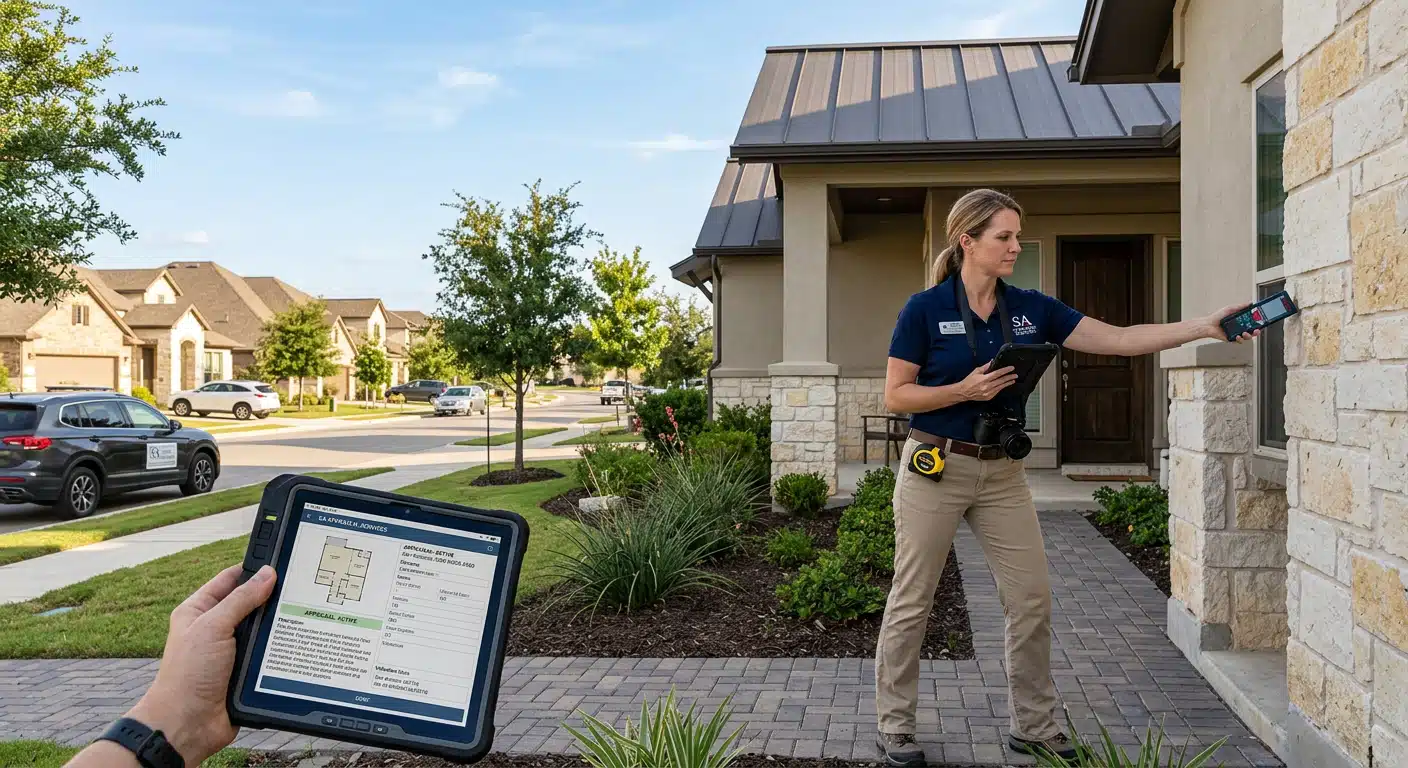
What Happens During the Appraisal Appointment?
The appraiser will:
• Walk through the home
• Take photos
• Measure rooms
• Note upgrades and condition
• Evaluate the exterior
• Review the neighborhood
The visit typically lasts 30–60 minutes.
How Long Does the Appraisal Process Take?
Most appraisals take:
• 3–7 days to schedule
• 3–5 days to complete the report
In busy markets, it may take longer.
What Happens After the Appraisal?
Once the appraisal is complete, the lender receives the report and shares it with the buyer.
There are three possible outcomes:
1. The Appraisal Comes in at Value
Great news — the home is worth the purchase price.
The loan moves forward smoothly.
2. The Appraisal Comes in Above Value
Even better — you’re buying with built in equity.
This strengthens your financial position.
3. The Appraisal Comes in Low
This is the most challenging scenario.
But it’s not the end of the road.
What to Do If the Appraisal Comes in Low
A low appraisal means the lender will only finance the appraised amount — not the purchase price.
Here are your options:
1. Renegotiate the Price
Your agent can request a price reduction from the seller.
Many sellers agree to adjust the price to keep the deal alive.
2. Split the Difference
Buyer and seller meet in the middle.
3. Pay the Difference Out of Pocket
Buyers can cover the appraisal gap with additional cash.
This is common in competitive markets.
4. Challenge the Appraisal
Your agent can submit:
• Better comps
• Evidence of errors
• Additional data
This may lead to a reconsideration of value.
5. Walk Away (If Allowed)
If you have an appraisal contingency, you may be able to cancel the contract.
Appraisals for New Construction Homes
New construction appraisals work differently.
Appraisers evaluate:
• Builder plans
• Material specs
• Lot value
• Comparable new builds
Challenges include:
• Limited comps
• Rapidly changing prices
• Upgrades not reflected in comps
A knowledgeable agent can help you navigate these nuances.
Appraisals for VA Loans (Texas Has a Large Military Population)
VA appraisals include:
• A standard appraisal
• A VA specific inspection checklist
VA appraisers ensure:
• The home meets VA minimum property requirements
• The value supports the loan
VA appraisals are thorough but fair — and designed to protect veterans.
How Sellers Can Prepare for an Appraisal
Sellers can take simple steps to maximize value:
• Clean and declutter
• Make minor repairs
• Improve curb appeal
• Provide a list of upgrades
• Ensure easy access to all areas
Presentation matters — even for appraisals.
How Buyers Can Prepare for an Appraisal
Buyers should:
• Understand the process
• Review the appraisal report
• Ask questions
• Work with their agent on next steps
Knowledge is power.
Final Thoughts: Appraisals Protect Your Investment
A home appraisal is more than a formality — it’s a safeguard. It ensures you’re making a smart financial decision, protects your lender, and provides clarity in the buying or selling process.
Whether the appraisal comes in high, low, or right on target, understanding the process helps you navigate the next steps with confidence.
Buying or Selling in San Antonio? We’ll Guide You Through the Appraisal Process.
As a family owned San Antonio brokerage, we help clients:
• Understand appraisal requirements
• Prepare for the appraisal
• Navigate low appraisal scenarios
• Compare comps and market data
• Make confident, informed decisions
If you’re preparing to buy or sell, we’re here to guide you every step of the way.


