
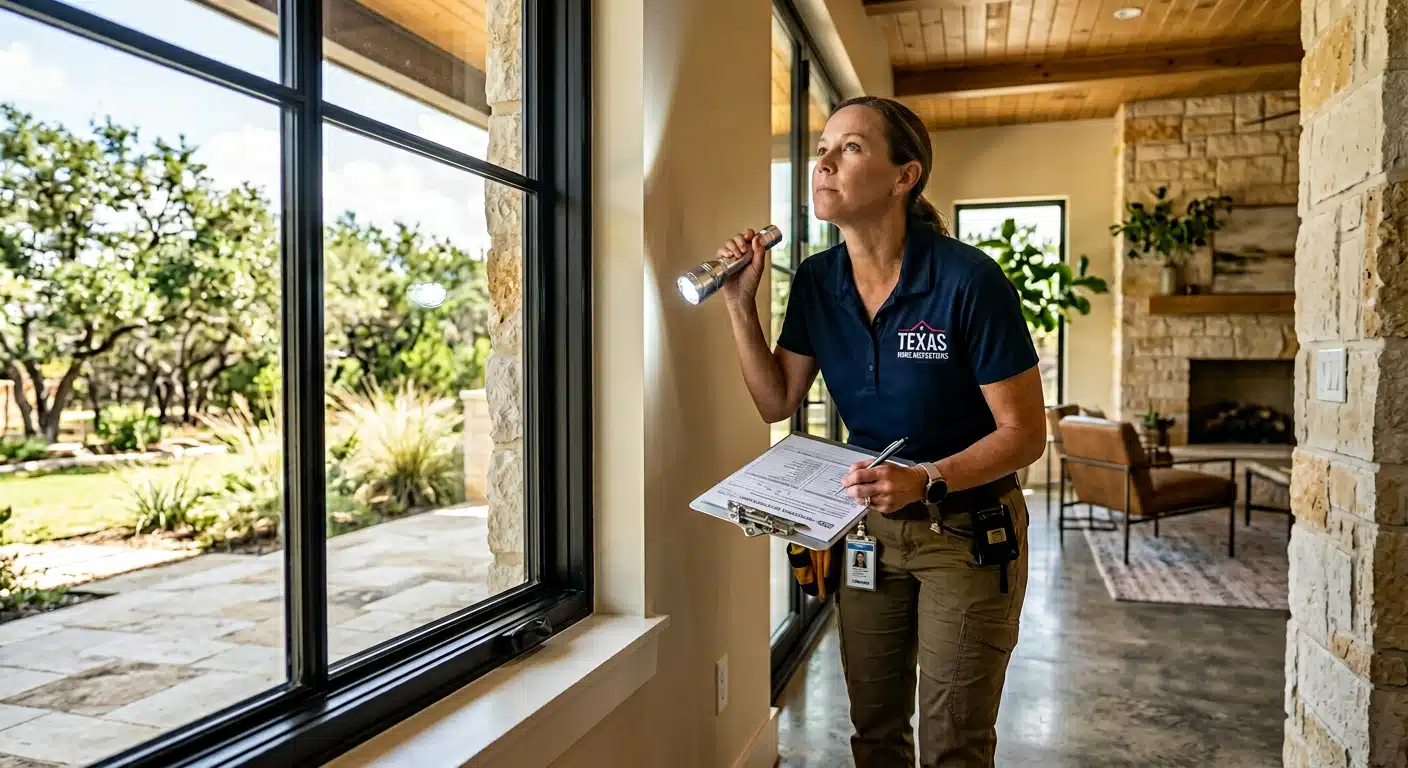
Whether you’re buying your first home, upgrading to a larger space, or preparing to sell, the home inspection is one of the most important steps in the real estate process. It protects buyers, informs sellers, and helps everyone understand the true condition of the home.
But for many people, the inspection process feels intimidating. What exactly does an inspector look for? What happens if issues are found? Do new construction homes need inspections too?
This guide breaks down everything you need to know about home inspections in Texas — with clear explanations, real world examples, and insights tailored to the San Antonio market.
What Is a Home Inspection?
A home inspection is a detailed, visual examination of a property’s condition performed by a licensed home inspector. It typically takes place after a buyer goes under contract and before closing.
The inspector evaluates the home’s major systems and components, identifies safety concerns, and documents any issues that may affect the home’s value or functionality.
A home inspection is NOT:
• An appraisal
• A code compliance check
• A warranty
• A guarantee that nothing will break in the future
It is a snapshot of the home’s condition on the day of the inspection.
Why Home Inspections Matter
Home inspections protect buyers by:
• Identifying hidden issues
• Revealing safety hazards
• Providing leverage for negotiations
• Helping buyers plan for future repairs
• Offering peace of mind
For sellers, inspections can:
• Reduce surprises
• Speed up negotiations
• Increase buyer confidence
Whether you’re buying or selling, the inspection is a critical part of a smooth transaction.
Who Pays for the Home Inspection?
In Texas, the buyer typically pays for the inspection.
Costs vary based on:
• Home size
• Age
• Location
• Additional services
Most inspections in Texas range from $350–$650, with optional add ons available.
What Does a Home Inspector Look For?
A licensed Texas home inspector evaluates the home’s major systems and components. Here’s what they examine:
1. Foundation and Structure
Texas soil — especially in San Antonio — is known for shifting. Inspectors look for:
• Cracks
• Settling
• Uneven floors
• Door alignment issues
• Signs of movement
Foundation concerns are common and not always serious, but they must be evaluated.
2. Roof and Attic
Inspectors check:
• Shingles
• Flashing
• Ventilation
• Insulation
• Signs of leaks
• Structural integrity
Roof issues can be costly, so this is a key part of the inspection.
3. HVAC System
Texas heat makes HVAC systems work overtime.
Inspectors evaluate:
• Heating and cooling performance
• Ductwork
• Age of the system
• Airflow
• Safety concerns
4. Electrical System
Inspectors check:
• Breaker panel
• Wiring
• Outlets and switches
• GFCI protection
• Safety hazards
Electrical issues can be dangerous, so this section is taken seriously.
5. Plumbing System
Inspectors look for:
• Leaks
• Water pressure
• Drainage issues
• Water heater condition
• Pipe material
Plumbing problems can lead to expensive repairs if not addressed.
6. Appliances
Most inspectors test:
• Oven
• Cooktop
• Dishwasher
• Built in microwave
• Garbage disposal
They check for functionality, not cosmetic condition.
7. Exterior
Inspectors evaluate:
• Siding
• Windows
• Doors
• Grading and drainage
• Gutters
• Driveways and walkways
Proper drainage is especially important in Texas to prevent foundation issues.
8. Interior
Inspectors check:
• Walls and ceilings
• Floors
• Doors
• Windows
• Stairs and railings
• Smoke detectors
They look for signs of water damage, structural issues, or safety concerns.
What’s NOT Included in a Standard Home Inspection?
A standard inspection does not include:
• Termite inspection (optional)
• Sewer scope (optional)
• Pool inspection (optional)
• Septic inspection (optional)
• Well inspection (optional)
• Mold testing (optional)
• Asbestos or lead testing
• Sprinkler system testing (sometimes included, sometimes not)
Buyers can add these services for an additional fee.
Do New Construction Homes Need Inspections?
Yes — absolutely.
Many buyers assume new homes are flawless, but even brand new construction can have:
• Incorrect wiring
• Missing insulation
• HVAC issues
• Plumbing leaks
• Grading problems
• Roof installation errors
Builders are human, subcontractors vary, and mistakes happen.
Recommended inspections for new construction:
• Pre drywall inspection
• Final inspection
• 11 month warranty inspection
These inspections protect your investment and ensure the builder addresses issues before your warranty expires.
What Happens After the Inspection?
Once the inspection is complete, the inspector provides a detailed report with:
• Photos
• Notes
• Safety concerns
• Recommended repairs
• Maintenance tips
Your agent will review the report with you and help determine next steps.
Common Issues Found in Texas Home Inspections
Some issues are extremely common in Texas homes — especially in San Antonio.
1. Foundation cracks
Often cosmetic, but sometimes structural.
2. HVAC performance issues
Texas heat puts strain on systems.
3. Roof wear
Hail storms and sun exposure take a toll.
4. Grading and drainage problems
Improper drainage can lead to foundation movement.
5. Minor electrical issues
Missing GFCIs, loose outlets, etc.
6. Plumbing leaks
Especially under sinks or around water heaters.
7. Window seal failures
Common in older homes.
Most issues are fixable — and many are normal for the age of the home.
How Buyers Can Use the Inspection Report
Buyers typically use the inspection report to:
• Request repairs
• Ask for seller concessions
• Negotiate price adjustments
• Plan future maintenance
• Decide whether to move forward
Your agent will help you determine the best strategy.
How Sellers Can Prepare for an Inspection
Sellers can take simple steps to improve the outcome:
• Replace air filters
• Clear access to attic and electrical panel
• Fix minor leaks
• Test smoke detectors
• Clean gutters
• Touch up caulking
A little preparation goes a long way.
What If the Inspection Finds Major Issues?
If major issues are discovered, buyers have options:
• Request repairs
• Ask for a price reduction
• Ask for closing cost credits
• Walk away (if within the option period)
Your agent will guide you through the best approach.
Should You Attend the Inspection?
Buyers are encouraged to attend the last 30 minutes of the inspection.
This allows you to:
• Ask questions
• See issues firsthand
• Understand the home better
Inspectors often explain things more clearly in person.
How Long Does a Home Inspection Take?
Most inspections take:
• 2–4 hours for standard homes
• 4–6 hours for large or older homes
The report is usually delivered within 24 hours.
Final Thoughts: A Home Inspection Protects Your Investment
A home inspection is one of the most valuable steps in the buying or selling process. It provides clarity, protects your budget, and helps you make confident decisions.
Whether you’re buying new construction, a resale home, or preparing to list your property, understanding the inspection process ensures a smoother, more informed experience.
Buying or Selling in San Antonio? We’ll Guide You Through the Inspection Process.
As a family owned San Antonio brokerage, we help clients:
• Choose trusted inspectors
• Understand inspection reports
• Navigate repair negotiations
• Protect their investment
• Make confident, informed decisions
If you’re preparing to buy or sell, we’re here to guide you every step of the way.


