
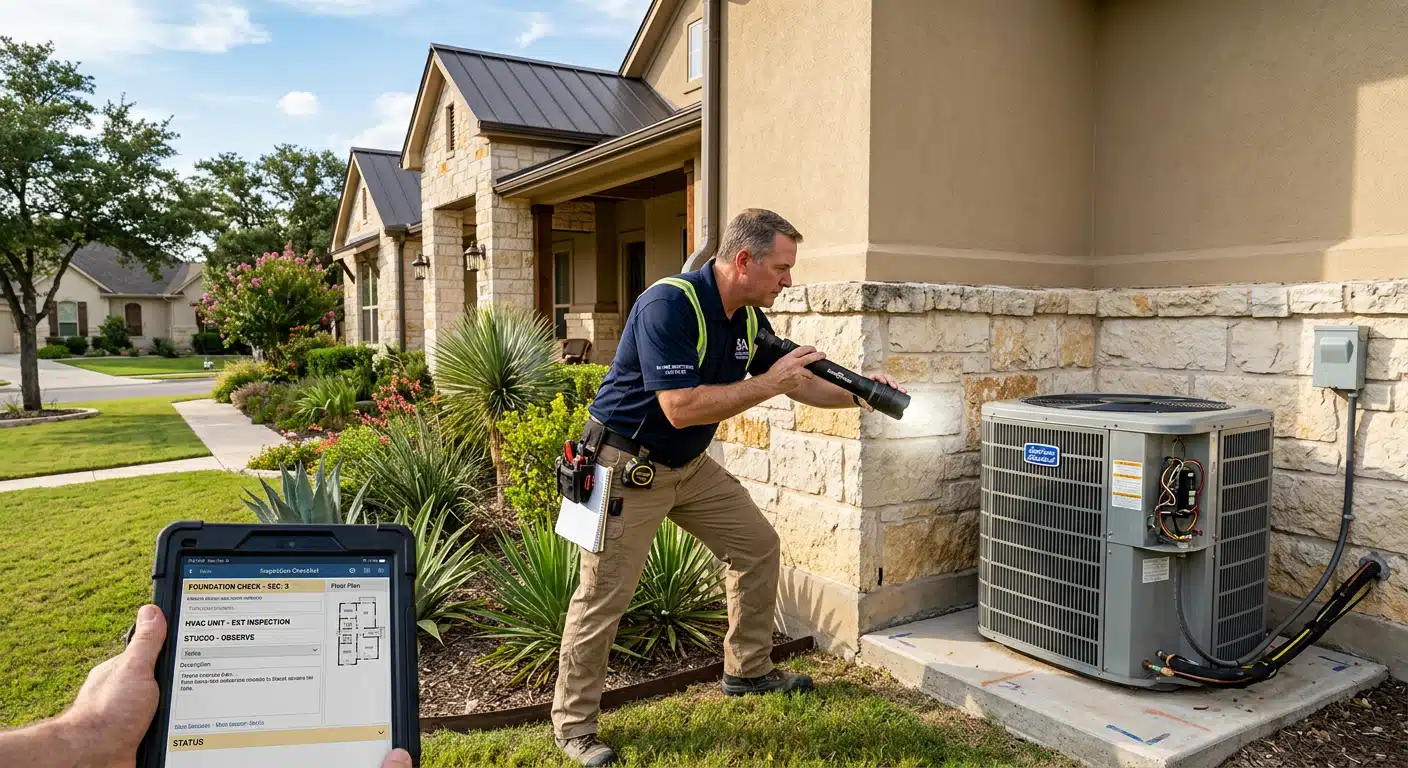
When you’re buying a home, one of the most important protections in your contract is the home inspection contingency. This clause gives you the right to inspect the property, uncover hidden issues, and decide whether to move forward, renegotiate, or walk away — all without risking your earnest money.
In Texas, where homes can vary widely in age, condition, and construction quality, the inspection contingency is essential. Whether you’re buying new construction in San Antonio or a resale home in an established neighborhood, understanding this contingency helps you make confident, informed decisions.
This guide breaks down everything you need to know about home inspection contingencies — how they work, what they protect, and how to use them strategically.
What Is a Home Inspection Contingency?
A home inspection contingency is a clause in your purchase contract that allows you to:
• Hire a licensed inspector
• Review the inspection report
• Request repairs or concessions
• Renegotiate the contract
• Cancel the contract if needed
• Keep your earnest money if you walk away
It protects you from buying a home with major defects or unexpected repair costs.
Why the Home Inspection Contingency Matters
Buying a home is one of the biggest financial decisions you’ll ever make. The inspection contingency ensures you’re not blindsided by:
• Foundation issues
• Roof damage
• HVAC problems
• Plumbing leaks
• Electrical hazards
• Structural concerns
• Safety issues
Without this contingency, you could be forced to buy the home as is, even if serious problems are discovered.
How the Home Inspection Contingency Works in Texas
Texas has a unique process compared to other states. Here’s how it works step by step:
1. You Go Under Contract
Once your offer is accepted, the inspection contingency begins.
2. The Option Period Starts (Texas Specific)
In Texas, the inspection contingency is tied to the option period — a negotiated window of time (usually 5–10 days) where the buyer can:
• Inspect the home
• Request repairs
• Renegotiate
• Cancel for any reason
You pay an option fee (typically $100–$500) for this right.
3. You Schedule the Inspection
Your agent helps you choose a licensed inspector who evaluates:
• Foundation
• Roof
• HVAC
• Plumbing
• Electrical
• Attic & insulation
• Appliances
• Exterior
• Interior
• Safety issues
Optional add ons include:
• Termite inspection
• Sewer scope
• Pool inspection
• Septic inspection
• Mold testing
4. You Receive the Inspection Report
The report includes:
• Photos
• Notes
• Safety concerns
• Recommended repairs
• Maintenance items
Your agent reviews it with you and helps determine next steps.
5. You Decide How to Proceed
You have several options:
• Request repairs
• Request seller concessions
• Request a price reduction
• Accept the home as is
• Cancel the contract
The inspection contingency gives you full control.
6. If You Cancel, You Keep Your Earnest Money
As long as you cancel within the option period, your earnest money is protected.
What Does a Home Inspection Cover?
A standard inspection evaluates the home’s major systems and components.
Foundation
Texas soil expands and contracts — foundation movement is common.
Roof
Inspectors check for:
• Missing shingles
• Leaks
• Hail damage
• Improper installation
HVAC
Texas heat puts strain on AC systems.
Plumbing
Inspectors look for:
• Leaks
• Water pressure issues
• Pipe material
• Water heater condition
Electrical
They check:
• Breaker panel
• Wiring
• GFCI outlets
• Safety hazards
Exterior
Includes:
• Siding
• Windows
• Doors
• Drainage
• Gutters
Interior
Includes:
• Walls
• Ceilings
• Floors
• Doors
• Windows
Attic
Inspectors check:
• Insulation
• Ventilation
• Roof structure
What’s NOT Included in a Standard Inspection?
Buyers often assume inspections cover everything — but they don’t.
Not included:
• Sprinkler systems (sometimes included, sometimes not)
• Pools/spas
• Septic systems
• Wells
• Mold testing
• Asbestos or lead testing
• Sewer line scoping
• Pest inspections
These require separate specialists.
How Buyers Use the Inspection Contingency
Once the inspection is complete, buyers typically use the contingency to:
1. Request Repairs
Common repair requests include:
• Roof fixes
• HVAC servicing
• Plumbing leaks
• Electrical corrections
• Safety hazards
2. Request Seller Concessions
Instead of repairs, buyers may ask for:
• Closing cost credits
• Price reductions
• Repair allowances
This is common when buyers prefer to choose their own contractors.
3. Renegotiate the Price
If major issues are found, buyers may request a lower purchase price.
4. Accept the Home As Is
If the issues are minor, buyers may choose to move forward without changes.
5. Cancel the Contract
If the issues are too severe — or the seller refuses to negotiate — buyers can cancel and keep their earnest money.
How Sellers Respond to Inspection Requests
Sellers have options too:
• Agree to all repairs
• Agree to some repairs
• Offer concessions instead
• Decline repairs
• Renegotiate price
• Hold firm
Your agent helps you navigate these negotiations strategically.
Common Issues Found in Texas Home Inspections
Texas homes — especially in San Antonio — often show:
• Foundation cracks
• HVAC performance issues
• Roof wear from sun or hail
• Grading/drainage problems
• Minor electrical issues
• Plumbing leaks
• Window seal failures
Most issues are normal for the age of the home and can be addressed.
Inspection Contingencies in New Construction
Many buyers assume new homes don’t need inspections — but they do.
Common new construction issues:
• Missing insulation
• Incorrect wiring
• HVAC installation errors
• Plumbing leaks
• Grading problems
• Roof installation mistakes
Recommended inspections:
• Pre drywall
• Final inspection
• 11 month warranty inspection
The inspection contingency protects you even in new builds.
Should You Ever Waive the Inspection Contingency?
In competitive markets, some buyers consider waiving contingencies — but this is risky.
Waive ONLY if:
• You’re buying new construction with warranties
• You’re an investor familiar with repairs
• You have significant cash reserves
• You’re working with an experienced agent
Do NOT waive if:
• You’re a first time buyer
• You’re buying an older home
• You’re unfamiliar with repair costs
• You’re stretching your budget
The inspection contingency is one of the most important protections you have.
How the Inspection Contingency Protects Your Earnest Money
If you cancel within the option period:
• You keep your earnest money
• You lose only the option fee
• You walk away with no penalty
This is why the option period is so valuable in Texas.
Final Thoughts: The Home Inspection Contingency Protects Your Investment
A home inspection contingency is one of the strongest tools buyers have. It gives you the freedom to investigate the home thoroughly, negotiate repairs, and walk away if needed — all while protecting your earnest money.
In a market like San Antonio, where homes can vary widely in age and condition, this contingency provides peace of mind and financial security.
Buying a Home in San Antonio? We’ll Guide You Through the Inspection Process.
As a family owned San Antonio brokerage, we help buyers:
• Understand inspection contingencies
• Choose trusted inspectors
• Navigate repair negotiations
• Protect their earnest money
• Make confident, informed decisions
If you’re preparing to buy, we’re here to guide you every step of the way.


